The interesting AI question for a marketplace is not "does it have a chatbot" but "can an agent that lives somewhere else operate it safely?" That is a protocol and permissions question, not a UI one.
GGNomad answers it with a Model Context Protocol server. It is a deliberately thin shell over the shared platform MCP library: it supplies GGNomad's own endpoints and OIDC client, then mounts the GGNomad product module alongside the platform modules for auth, RBAC, organizations, workspaces, groups, tags, files, conversations, security, integrations, channels, scheduler, export, notifications, support, products, devportal, billing, store, and sandboxes. Every tool, resource, and prompt is product-prefixed, so several product servers can run side by side in one client without colliding.
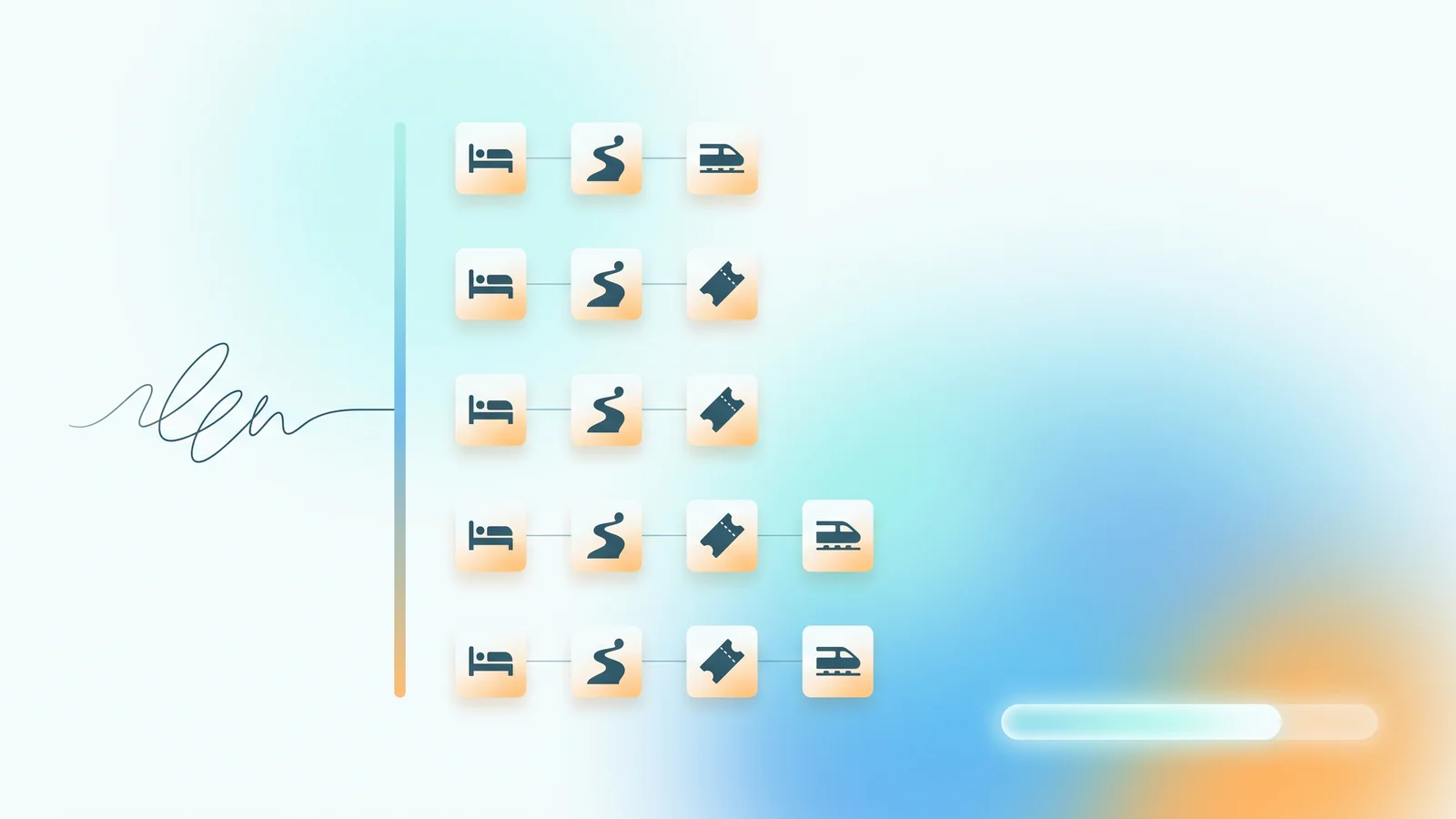
The GGNomad surface itself is twenty typed tools spanning the marketplace: list and open properties, tours, activities, experiences, and events; list transport trips; list, create, and cancel bookings; list and create providers; toggle and list favourites; and read the analytics overview and metrics. Alongside them sit two guided prompts — one that walks an agent through onboarding a provider and listing its first bookable stay, one that runs a daily operations pass over KPIs, the booking queue, cancellations, and inventory — plus resources that expose the schema, an overview snapshot, analytics, and properties as readable context.
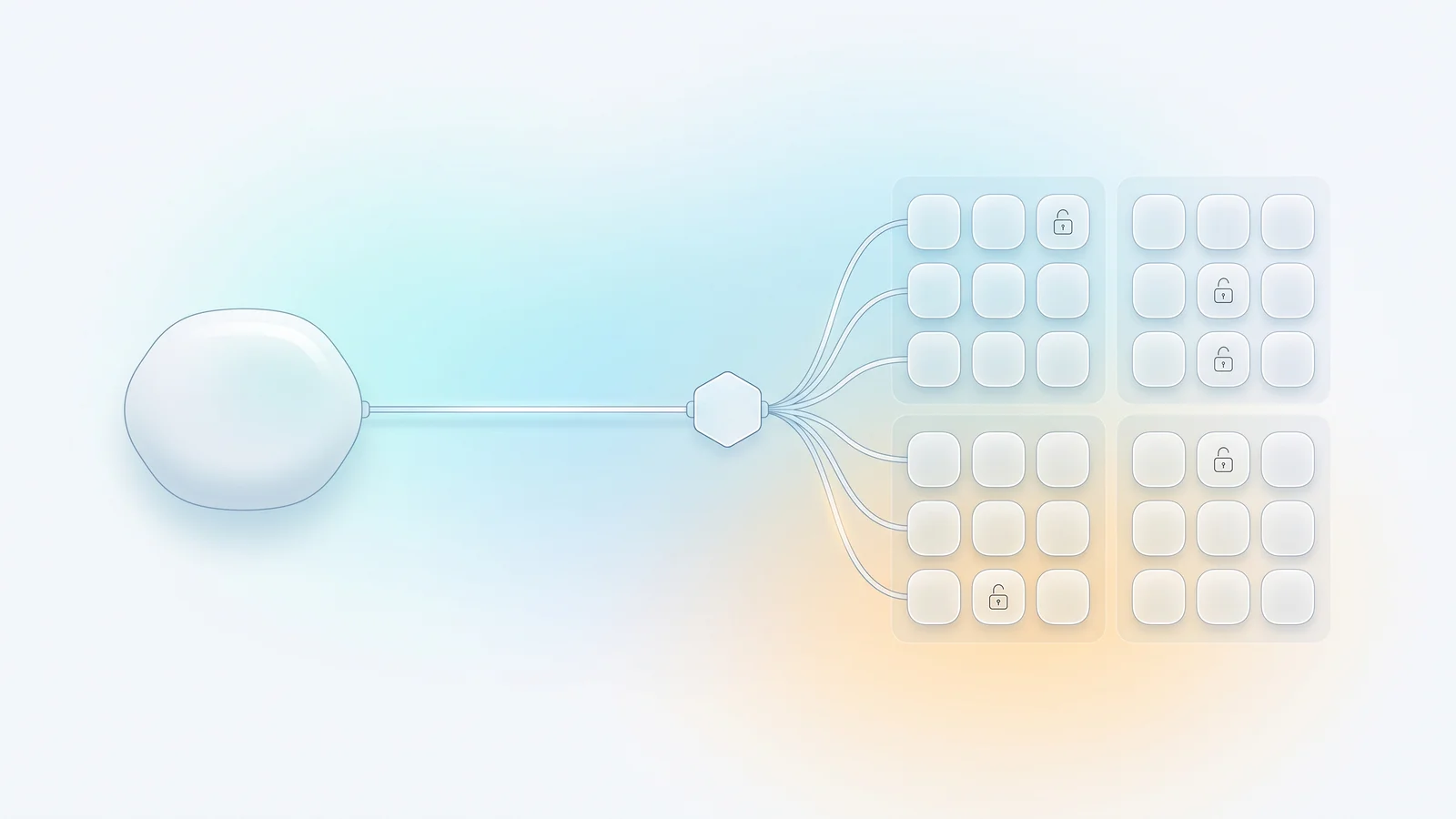
Authentication is a device-code login rather than a pasted key: the agent asks for a verification URL, a human completes the login in a browser, and tokens are stored with restrictive permissions and refreshed before expiry. Every call then travels through the public workspace gateway, which means the agent is subject to exactly the same role checks as the app — there is no back door around them.
The honest gaps are governance, not capability. Four of the twenty tools write — creating bookings, cancelling bookings, creating properties, creating providers — and none of them currently requires a confirmation step of its own; they rely entirely on the client asking the human first. Publishing the package is also deliberately held, so the server runs from source rather than from a registry. Adding confirmation gates to the destructive tools is tracked work.
Illustrative scenario describing a real, readable MCP server with real gaps — not a published product with adoption to report. Because this is an MCP integration for external AI clients, not a web-UI flow, there is no interactive "Do it yourself" walkthrough inside the app.
Ready to make this your story?