AI NativePlatform AdministratorIllustrative scenario — workflow verification in progress

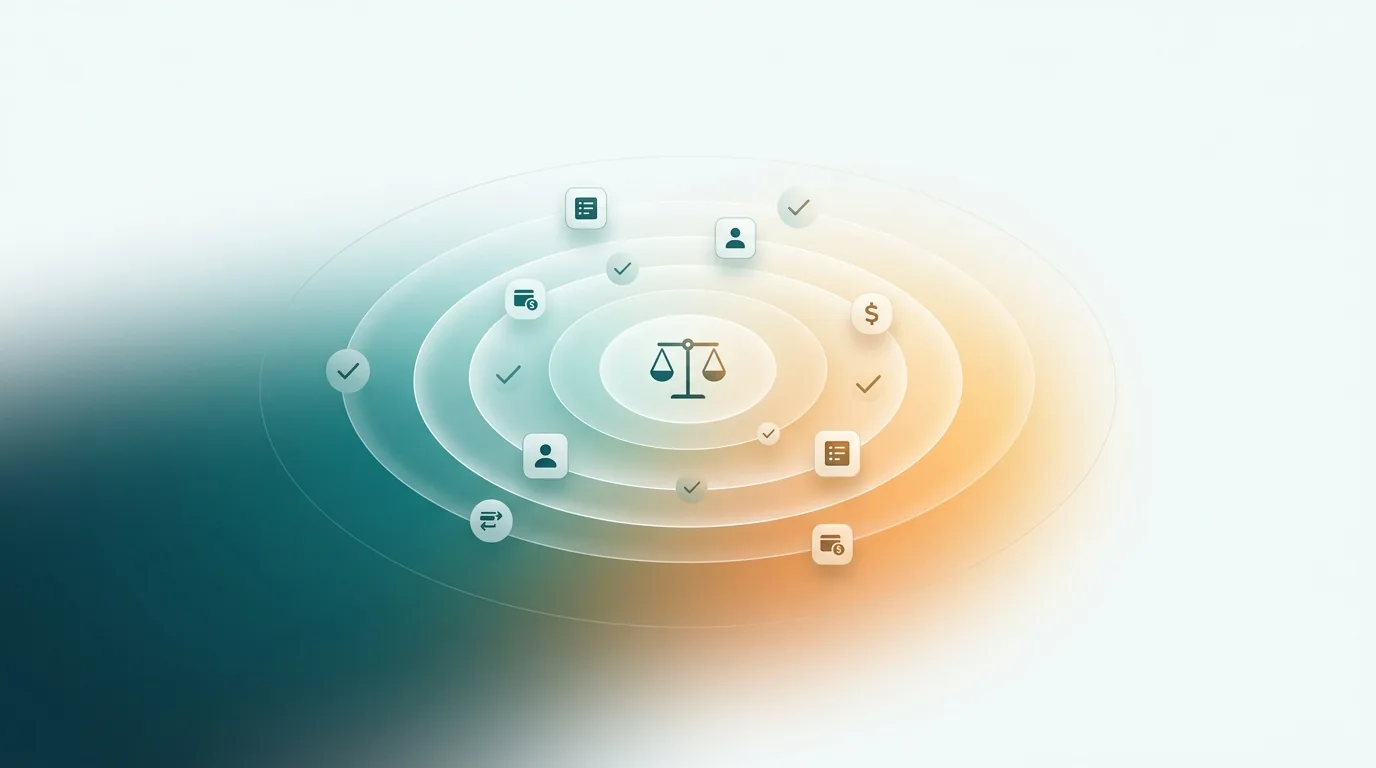
Keep every AI action inside the same rules as a human one

Role-scoped at the gateway, metered per turn, and written to an append-only trail

Keep every AI action inside the same rules as a human one

An assistant that can book a stay is a system that can spend money. So the question a marketplace operator asks about AI is not "how clever is it" but "what exactly can it do, on whose authority, and what did it actually do last Tuesday?"

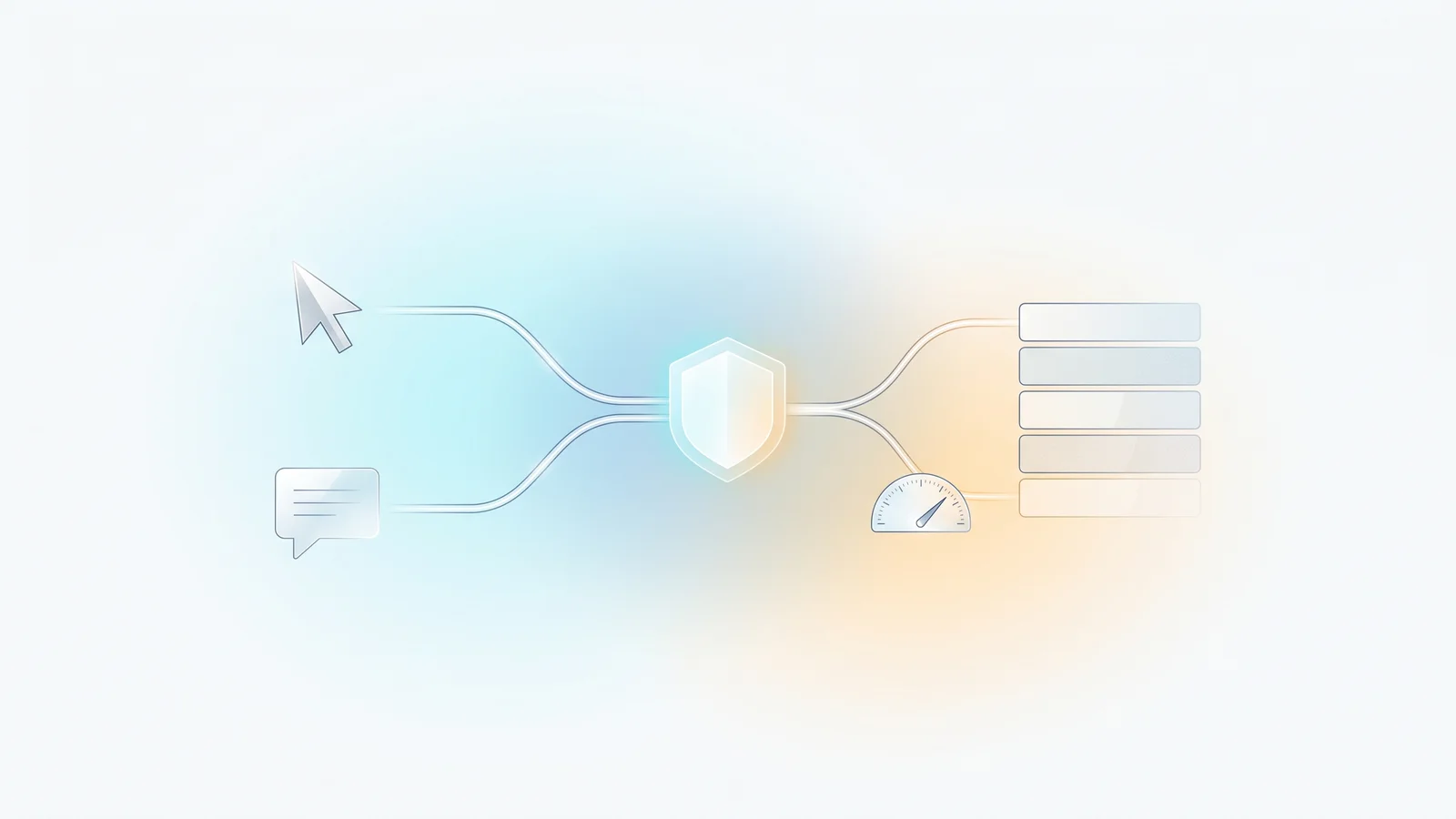
GGNomad's answer is that AI is not a special caller. Every field in the GGNomad graph carries a role directive — around ninety of them across queries and mutations — and the public gateway is the only thing that validates tokens and enforces those directives. The service itself never re-implements auth. An assistant turn and an MCP agent call arrive at that same gateway, carry the same actor identity, and get exactly the permissions that actor already has. Restricting what AI can touch is therefore ordinary role administration, visible in the app's own permissions surface, not a separate AI allow-list somebody has to remember to maintain.

Cost is handled the same way. Assistant turns are metered: the transport checks the workspace's AI credit position before running and reports the token counts and model of each completed turn back to the platform usage service, with the gateway's usage directive as the hard gate rather than the client-side check. So AI spend appears in the same workspace usage and credit views as everything else a workspace consumes, and a workspace that runs out is stopped at the edge.

The record is already partly there. GGNomad writes an append-only audit trail on the transitions that matter — listing verification moves and booking-lifecycle changes — capturing the actor, the from and to status, an optional reason, and a timestamp, and the operations queue in the app can open that trail for an entity. Any write an assistant makes goes through those same service methods, so it lands in the same trail.

The gaps are real and worth naming. The trail records the acting user, so an action taken through the assistant is not yet distinguishable from the same action taken by hand — agent attribution and a per-run ledger are platform work that has not shipped. There is no evaluation set for travel recommendations, so quality is not yet measured; the destructive MCP tools have no confirmation gate of their own; there is no defined fallback experience for when an AI feature is unavailable; and the product's own AI-readiness assessment is out of date. All of that is tracked rather than glossed over.

Illustrative scenario. Gateway-enforced roles, per-turn metering, and the transition audit trail are live; agent-run attribution, evaluation sets, confirmation gates, and fallback UX are on the roadmap.

Ready to make this your story?